Bobby Unser Legendary Racer Conquering Indy and Pikes
The Extraordinary Life of Robert William “Bobby” Unser

Introduction
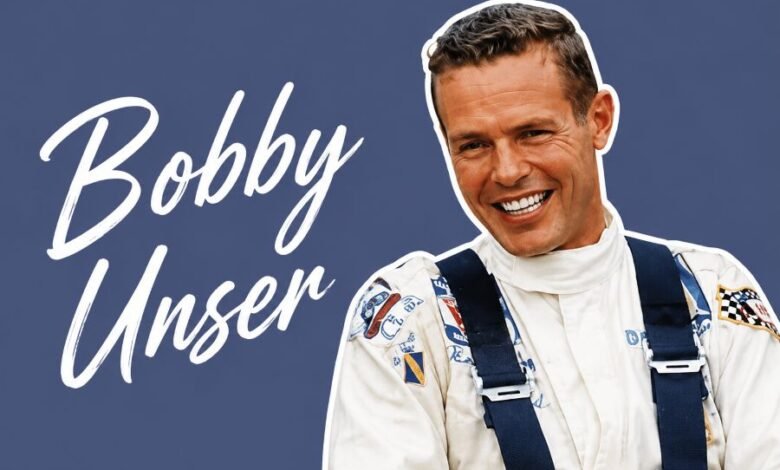
Bobby Unser, officially Robert William “Bobby” Unser, remains one of the most iconic figures in American automobile racing history. From his early days in Colorado to conquering the Indianapolis 500 and Pikes Peak, Bobby Unser’s career was a mixture of triumph, controversy, and groundbreaking achievements. He was not only a racer but also a symbol of determination, strategy, and technical mastery in motorsports. His story blends hard work, family legacy, and a deep passion for racing, inspiring generations of drivers and enthusiasts alike.
Bobby Unser’s journey was marked by both dazzling victories and challenging setbacks, yet his resilience and talent cemented his place among the all-time greats in racing. He exemplified the courage needed to compete at the highest levels and left a lasting impact on American motorsports, proving that passion and dedication can drive extraordinary achievements.
Quick Bio
| Detail | Information |
|---|---|
| Full Name | Robert William “Bobby” Unser |
| Nickname | Bobby |
| Birth Date | February 20, 1934 |
| Birth Place | Colorado Springs, Colorado, U.S. |
| Death | May 2, 2021, Albuquerque, New Mexico, U.S. |
| Nationality | American |
| Profession | Race-Car Driver, Broadcaster |
| Family | Brother: Al Unser, Jerry Unser, Louie Unser; Nephew: Al Unser Jr. |
| Known For | Three-time Indianapolis 500 Winner, Pikes Peak Champion |
| Career Start | 1949 |
| Achievements | USAC Champion, IROC Champion, 35 IndyCar wins |
Early Life and Family Background
Bobby Unser was born in 1934 into the famous Unser racing family, which had a long history in American motorsports. His father, Jerome Henry Unser, and mother, Mary Catherine, nurtured a family environment centered around mechanical work and racing enthusiasm. Growing up in Albuquerque, New Mexico, Bobby was exposed to cars and engines from an early age, which laid the foundation for his future in racing.
He was the third of four brothers, including Jerry, Al, and Louie, all of whom shared a love for racing. The Unser family would later become a dynasty in American motorsports, with multiple generations achieving prominence in events like the Indianapolis 500 and Pikes Peak International Hill Climb. This family legacy played a significant role in shaping Bobby’s competitive spirit and racing skills.
Early Racing Career
Bobby Unser started racing at the age of 15 in modified cars at local tracks. He quickly demonstrated exceptional skill, winning his first championship in Southwest Stock Cars by 1950. These early victories set the stage for a professional career in racing.
His first major opportunity came in the United States Automobile Club (USAC) series, where he competed alongside his brothers. Bobby faced the highs and lows of professional racing early, including the tragic loss of his brother Jerry in 1959. Despite such challenges, Bobby’s determination to succeed in motorsports only strengthened.
Indianapolis 500 and IndyCar Achievements
Bobby Unser’s career in the Indianapolis 500 began in 1963. Though early races were marred by accidents and mechanical failures, his perseverance led to his first Indy 500 win in 1968. He continued to achieve greatness with victories in 1975 and 1981, becoming one of only two drivers to win the event in three different decades.
He accumulated 35 IndyCar wins in his career, consistently demonstrating technical mastery, strategic racing, and the ability to adapt to high-pressure situations. His USAC National Driving Championships in 1968 and 1974 cemented his reputation as a top-tier driver in American motorsports.
Bobby’s driving style combined aggression with precision. He was known for pushing cars to their limits while maintaining control, a skill that distinguished him from many contemporaries. He also contributed insights on car setups, helping his teams achieve peak performance.
Pikes Peak International Hill Climb
Beyond IndyCar, Bobby Unser became a dominant figure at the Pikes Peak International Hill Climb. He won the event 13 times, achieving the overall title 10 times, which earned him the nickname “King of the Mountain.”
The Pikes Peak victories showcased Bobby’s versatility and skill on challenging terrains, highlighting his ability to excel in diverse racing conditions. This success helped solidify the Unser family’s reputation as a legendary racing dynasty in the United States.
Broadcasting and Later Career
After retiring from competitive racing in 1982, Bobby Unser transitioned into broadcasting. He worked as an analyst and commentator for NBC, ABC, and ESPN, covering IndyCar and NASCAR events. His deep knowledge of racing strategies and technical expertise made him a respected voice in motorsports broadcasting.
During his broadcasting career, he contributed to award-winning telecasts of the Indianapolis 500, providing fans with unique insights and behind-the-scenes perspectives. His post-racing career further strengthened his influence and visibility in the motorsports community.
Career Timeline
- 1949: First race in modified cars
- 1950: Won first Southwest Stock Car championship
- 1953–1955: Served in U.S. Air Force
- 1956: First Pikes Peak victory
- 1963: Indianapolis 500 debut
- 1968: First Indianapolis 500 win, USAC National Championship
- 1974: USAC National Championship
- 1975: Second Indy 500 win, IROC Champion
- 1981: Third Indy 500 win (controversial finish, later confirmed)
- 1982: Retired from professional racing
- 1980s–2000s: Broadcasting career with NBC, ABC, ESPN
Complete Career Overview
Bobby Unser’s career was characterized by resilience, strategic thinking, and a deep understanding of racing mechanics. He competed in a variety of vehicles and events, from IndyCars to midget and sprint cars. His achievements extended beyond victories to influencing racing techniques and inspiring a new generation of drivers.
Despite setbacks and controversies, Bobby’s dedication and talent ensured that he remained a celebrated figure in American motorsports history. His contribution to the sport extended beyond the track, influencing both racing and media coverage of motorsports.
Health and Later Life
Bobby Unser lived to the age of 87, passing away in Albuquerque, New Mexico. He remained active in racing communities and events throughout his later life. His longevity and continued engagement in motorsports reflected his enduring passion for the sport.
Legacy
Bobby Unser is remembered as a three-time Indianapolis 500 winner, multiple-time Pikes Peak champion, and part of one of the most successful racing families in history. His career inspired generations of drivers, and his broadcasting work helped bring the excitement of racing to a wider audience. He left a lasting impact on American automobile racing, ensuring that his name remains synonymous with excellence, innovation, and courage in motorsports.
Conclusion
Bobby Unser’s life story is one of triumph, resilience, and the pursuit of excellence. From local tracks in New Mexico to the global stage of the Indianapolis 500, his career exemplifies what it means to be a champion. His achievements, both on and off the track, leave a legacy that continues to inspire racers and fans alike. Bobby Unser proved that dedication, skill, and passion can overcome challenges and set a standard for generations in American motorsports.
FAQ
Who was Bobby Unser?
He was an American automobile racer and three-time Indianapolis 500 winner.
What is Bobby Unser’s real name?
He was born Robert William “Bobby” Unser.
When and where was he born?
He was born February 20, 1934, in Colorado Springs, Colorado.
Which family members were also racers?
His brothers Al, Jerry, and Louie, and nephew Al Unser Jr., were professional racers.
How many Indy 500s did he win?
He won the Indianapolis 500 three times: 1968, 1975, and 1981.
What other major events did he excel in?
He won 13 Pikes Peak International Hill Climb events.
When did he retire from racing?
He retired from professional racing in 1982.
Did he work in broadcasting?
Yes, he worked as a commentator and analyst for NBC, ABC, and ESPN.