Peter Oosterhuis: Legendary Golfer, Trailblazer, Broadcasting Icon
English professional golfer and Ryder Cup stalwart

Introduction
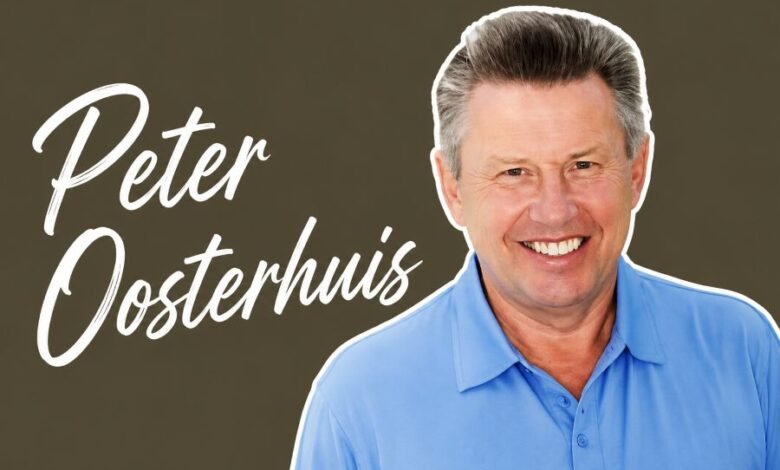
Peter Oosterhuis, widely recognized as Peter Arthur Oosterhuis or by his nickname Oosty, is remembered as one of the most influential English professional golfers of his generation. Born in Lambeth, London, he achieved remarkable success on the European Tour during the early 1970s, dominating the Order of Merit and becoming a trailblazer for European golfers on the PGA Tour. His career later transitioned into broadcasting, where he became a beloved analyst for major golf tournaments, inspiring countless fans and players alike.
From early promise as an amateur to global recognition as a professional, Oosterhuis’ journey combines brilliance and perseverance, showcasing both triumphs and challenges that shaped his lasting legacy in the world of golf.
Quick Bio
| Field | Details |
|---|---|
| Full Name | Peter Arthur Oosterhuis |
| Nickname | Oosty |
| Date of Birth | 3 May 1948 |
| Place of Birth | Lambeth, London, England |
| Date of Death | 2 May 2024 |
| Nationality | English / British |
| Profession | Professional Golfer, Golf Broadcaster |
| Career Start | 1968 |
| Ryder Cup Appearances | 1971–1981 (6 consecutive) |
| Major Achievements | European Order of Merit winner 1971–1974, PGA Tour winner 1981 Canadian Open |
Early Life and Education
Peter Oosterhuis was born into a family with a diverse background, having a Dutch father and English mother. Growing up in London, his early exposure to golf came through local clubs and supportive parents who encouraged his developing passion. He attended Dulwich College, where he balanced academics with sports, demonstrating skill that quickly marked him as a promising amateur golfer.
Even in his youth, Oosterhuis showed both discipline and determination. His early victories, including the 1966 Berkshire Trophy, highlighted his technical ability and mental focus. He also represented Great Britain & Ireland in the Walker Cup (1967), a milestone that foreshadowed his professional success and established him as a future star in English golf.
Turning Professional and Early Career
In 1968, Oosterhuis turned professional, a move that required adapting to higher-level competition and the pressures of tour life. He quickly made a name for himself, earning the Sir Henry Cotton Rookie of the Year Award in 1969. This recognition reflected his consistent performance and ability to compete against seasoned professionals.
During the early European Tour seasons, he displayed resilience and determination, winning multiple events and consistently ranking at the top of the Order of Merit from 1971 through 1974. His dedication to the sport, coupled with a disciplined approach to practice, laid the foundation for his later achievements on both European and international stages.
European Tour Dominance
Oosterhuis became synonymous with excellence on the European Tour. His victories during the early 1970s demonstrated technical mastery, strategic insight, and the ability to handle high-pressure situations. Winning the European Tour Order of Merit four consecutive times reflected his dominance and his remarkable consistency over several seasons.
However, the path was not without challenges. Competing during a period when European golf was still establishing its global reputation, Oosterhuis faced limited recognition outside Europe. Yet his performances against both local and international competitors gradually positioned him as one of the most respected golfers of his era, earning admiration for both his skill and sportsmanship.
PGA Tour and International Recognition
In 1975, Oosterhuis boldly moved to the United States to compete full-time on the PGA Tour. This transition was challenging, as the American circuit demanded adjustments to diverse courses and intense competition. Nevertheless, he achieved success, highlighted by his 1981 Canadian Open victory, which remains his sole PGA Tour win but symbolically represents the impact he had on international golf.
His time on the PGA Tour also allowed him to compete in multiple major championships, including The Masters and The Open Championship, where he achieved top finishes. Despite occasional setbacks, Oosterhuis consistently displayed resilience, making him a model of perseverance for aspiring golfers worldwide.
Ryder Cup Contributions
Oosterhuis’ Ryder Cup record is among the most impressive of any European golfer of his time. Between 1971 and 1981, he represented Great Britain & Ireland, achieving six singles victories that tied the record for the most singles wins in Ryder Cup history.
While his teams often faced strong American competition, Oosterhuis’ individual performance was remarkable, demonstrating focus, strategy, and mental toughness. His Ryder Cup legacy remains a testament to his ability to excel in team competition while maintaining personal excellence.
Transition to Broadcasting
After retiring from competitive play in 1986, Oosterhuis transitioned into broadcasting. He became a respected analyst for Sky Sports, Golf Channel, and CBS Sports, providing insight and commentary that resonated with both casual viewers and dedicated fans.
His unique perspective as a former professional player allowed him to analyze strategies, offer technical insight, and share personal experiences. Over nearly two decades, Oosterhuis became a trusted voice in golf broadcasting, blending expertise with clarity, and making complex aspects of the game accessible to a broad audience.
Career Timeline
| Year | Milestone |
|---|---|
| 1966 | Won Berkshire Trophy |
| 1967 | Represented GB&I in Walker Cup |
| 1968 | Turned professional |
| 1969 | Sir Henry Cotton Rookie of the Year |
| 1971–1974 | European Tour Order of Merit winner |
| 1971–1981 | Ryder Cup appearances (6 consecutive) |
| 1973 | T3 at Masters |
| 1981 | PGA Tour Canadian Open victory |
| 1986 | Retired from competitive golf |
| 1994–2014 | Golf broadcasting career |
| 2015 | Diagnosed with early-onset Alzheimer’s |
| 2024 | Passed away |
Health and Later Life
In 2015, Oosterhuis publicly disclosed his struggle with early-onset Alzheimer’s, which limited his public appearances. Despite these challenges, he maintained close relationships with family and continued to inspire those around him through his life story and contributions to golf.
He passed away on 2 May 2024 in Charlotte, North Carolina, leaving behind a lasting legacy of professionalism, dedication, and resilience.
Legacy
Peter Oosterhuis’ legacy encompasses multiple dimensions:
- A pioneer of European success on the PGA Tour
- A Ryder Cup legend with unmatched singles performance
- A talented broadcaster who brought technical insights to audiences worldwide
- A symbol of determination, adapting to new challenges with grace and professionalism
His contributions continue to influence European golf and inspire both players and commentators alike.
Conclusion
Peter Oosterhuis represents a rare blend of talent, persistence, and leadership. From his early amateur victories in London to his European Tour dominance and international success, Oosterhuis carved a career filled with triumphs and challenges. His transition to broadcasting further cemented his impact on the game, making him a respected voice in golf circles worldwide. While health struggles marked his later years, the combination of his skill, mentorship, and professionalism ensures that his legacy endures.
Frequently Asked Questions (FAQ)
Q1: Who is Peter Oosterhuis?
A: He was an English professional golfer and renowned golf broadcaster.
Q2: What is Peter Oosterhuis’ full name?
A: His full name is Peter Arthur Oosterhuis.
Q3: What was his nickname?
A: He was commonly known as “Oosty.”
Q4: When was he born and when did he die?
A: Born on 3 May 1948 and passed away on 2 May 2024.
Q5: Where was he from?
A: He was from Lambeth, London, England.
Q6: Did he compete in the Ryder Cup?
A: Yes, he played in six Ryder Cups from 1971–1981.
Q7: How many European Tour wins did he have?
A: He won 7 European Tour titles.
Q8: Did he work in broadcasting?
A: Yes, he worked as a golf analyst for Sky Sports, Golf Channel, and CBS.
Q9: Did he have any children?
A: Yes, he had sons Rob and Rich, and two stepsons Byron and Matt.
Q10: What is his legacy?
A: He is remembered as a golf pioneer, Ryder Cup legend, and respected broadcaster.