Marcia Marcus Powerful Legacy Rose Beyond Painful Neglect
The inspiring life story of a bold American painter

Introduction
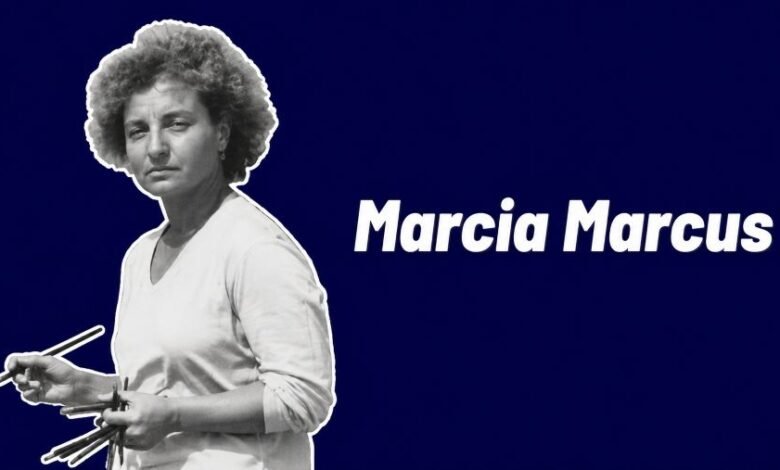
Marcia Marcus was an important American painter whose work carried emotional depth, artistic courage, and personal honesty. She became known for portraits, self-portraits, figurative painting, and a creative style that connected identity, performance, memory, and human presence. Her full birth name was Marcia Helene Feitelson, and she later became professionally known as Marcia Marcus.
Her story is powerful because she followed her own artistic path even when the art world was often more interested in abstraction than figuration. She created paintings that explored the self, family, gender, pose, costume, and personal identity. Although she did not always receive the recognition she deserved during her lifetime, her work later gained renewed respect and a stronger place in American art history.
Table of Contents
ToggleQuick Bio
| Field | Details |
|---|---|
| Full Name | Marcia Helene Feitelson |
| Professional Name | Marcia Marcus |
| Date of Birth | January 11, 1928 |
| Birthplace | New York City, United States |
| Date of Death | March 27, 2025 |
| Age | 97 at the time of death |
| Nationality | American |
| Profession | American painter, portraitist, self-portraitist, printmaker, educator |
| Father | Irving Feitelson |
| Mother | Frieda Gelband Feitelson |
| Sister | Barbara Feitelson |
| Spouse | Harry Gutman; later Terence Barrell |
| Children | Jane Angel Barrell and Catherine Anne Barrell |
| Known For | Figurative painting, self-portraits, portraits, performance-linked art |
| Education | New York University, Cooper Union, Art Students League of New York |
Early Life and Family Background
Marcia Marcus was born in New York City on January 11, 1928. Her parents were Irving Feitelson and Frieda Gelband Feitelson. She grew up in Manhattan and was exposed to art, visual culture, and city life from a young age. Her upbringing helped shape the way she saw people, clothing, spaces, and emotional expression.
She had a sister named Barbara Feitelson. The family background of Marcia Helene Feitelson is important because her later work often focused on identity and relationships. She did not paint people as simple figures; she painted them as individuals with inner lives, roles, and emotional presence.
Education and Artistic Training
Marcia Marcus studied at New York University and later continued her artistic training at Cooper Union. She also studied at the Art Students League of New York, where she worked with Edwin Dickinson. These institutions helped her develop strong drawing ability, discipline, and confidence in figurative art.
Her education connected her with a wider group of artists who were exploring new directions in American painting. While many artists moved toward abstraction, she stayed committed to the human figure. This choice later became one of the strongest parts of her legacy as an American painter.
Start of Career
Marcia Marcus began her professional art career in the early 1950s. She became active in the New York art scene and took part in group exhibitions before receiving wider attention. Her first solo exhibition took place at the March Gallery, an artist-run gallery connected with downtown New York creativity.
Her early career showed courage because she was developing figurative painting during a period when Abstract Expressionism had major influence. Instead of copying the dominant trend, she built a personal visual language based on portraits, self-images, and carefully arranged human figures.
Artistic Style and Themes
Marcia Marcus created paintings with strong attention to pose, clothing, expression, and symbolic identity. Her work often used flattened forms, direct figures, and quiet but powerful emotional tension. She was interested in how people present themselves and how personal identity can appear through appearance, gesture, and setting.
Her self-portraits are among her most important works. She used herself not only as a subject but also as a way to explore womanhood, performance, aging, strength, and vulnerability. Through these works, she showed that portrait painting could be modern, thoughtful, and deeply personal.
Marriage and Children
Marcia Marcus married Harry Gutman in 1947, and the marriage was later annulled in 1949. In 1959, she married Terence Barrell. These family details are part of her personal history, but her public identity remains most strongly connected with her work as an artist.
She had two daughters, Jane Angel Barrell and Catherine Anne Barrell. Her life as a mother existed alongside her life as a professional artist. This balance between personal life and creative work also appeared in the themes of family, selfhood, and female identity within her paintings.
Career Overview
Marcia Marcus worked across portraiture, self-portraiture, still life, landscape, and performance-related art. She was part of the downtown New York avant-garde scene and had connections with artists involved in experimental galleries, performances, and early Happenings. Her work stood at the meeting point of painting and performance.
She also spent important creative time in Provincetown, where she worked during summers and connected with a community of artists. This environment gave her space to paint, observe, and develop her own voice. Her long career showed persistence, independence, and serious dedication to art.
Career Timeline
| Year | Career Event |
|---|---|
| 1928 | Born Marcia Helene Feitelson in New York City |
| 1943 | Entered New York University |
| 1947 | Graduated from New York University and married Harry Gutman |
| 1949 | Marriage to Harry Gutman was annulled |
| 1950–1952 | Studied at Cooper Union |
| 1953 | Adopted the professional/legal name Marcia Marcus |
| 1954 | Studied at the Art Students League of New York |
| 1957 | Had first solo exhibition at March Gallery |
| 1959 | Married Terence Barrell |
| 1960 | Daughter Jane Angel Barrell was born |
| 1961 | Daughter Catherine Anne Barrell was born |
| 1962–1963 | Received a Fulbright Fellowship to France |
| 1969 | Received a MacDowell Fellowship |
| 1970s | Continued exhibitions, teaching, and portrait work |
| 1984 | Received a major retrospective at Canton Art Institute |
| 1991–1992 | Received a National Endowment for the Arts Painting Grant |
| 1993 | Received a Pollock-Krasner Fund grant |
| 2017 | Her work received renewed attention through major exhibitions |
| 2025 | Died in New York City at age 97 |
Teaching and Professional Work
Marcia Marcus also worked as an educator. Teaching allowed her to share her knowledge with younger artists and remain connected to art institutions. Her professional life included studio practice, exhibitions, teaching, fellowships, and grants.
Her source of income came from art-related work, including painting sales, gallery exhibitions, teaching roles, and artistic grants. She did not become known for a traditional company or business venture. Her life’s work was centered on art, education, and cultural contribution.
Recognition and Achievements
Marcia Marcus received several important honors during her career. These included a Fulbright Fellowship to France, a MacDowell Fellowship, a National Endowment for the Arts Painting Grant, and a Pollock-Krasner Fund grant. These achievements show that her work was respected by serious art institutions.
Her paintings are also connected with major museum collections and exhibitions. She was not always as famous as some of her male peers, but later critics and galleries helped bring renewed attention to her importance. This late recognition helped correct part of the neglect she experienced in art history.
Recent News
Marcia Marcus died on March 27, 2025, at the age of 97. After her death, several art publications and institutions discussed her life, work, and late-career recognition. Her passing brought new attention to her long contribution to American figurative painting.
Her work continued to be discussed in exhibitions and art writing after her death. This renewed interest shows that her paintings still speak to modern viewers. Her art remains important because it connects personal identity with larger questions about representation and memory.
Legacy
Marcia Marcus left behind a powerful legacy as an American painter who stayed loyal to figuration when it was not always fashionable. Her portraits and self-portraits gave serious attention to identity, gender, appearance, and emotional life. She helped show that the human figure could still be a modern and challenging subject.
Her legacy is both positive and painful. It is positive because her work is now receiving stronger respect, but painful because much of that recognition came late. Today, she is remembered as a bold, thoughtful, and under-recognized artist whose paintings deserve an important place in postwar American art.
Conclusion
Marcia Marcus built a remarkable artistic life through courage, discipline, and originality. From her early years as Marcia Helene Feitelson to her mature work as Marcia Marcus, she created art that explored personal identity with intelligence and emotional power. Her family background, education, marriages, children, and artistic community all shaped the story behind her creative voice.
She remains an inspiring figure because she did not abandon her own vision. As an American painter, she followed figuration, portraiture, and self-portraiture even when the art world moved in other directions. Her work now stands as a strong reminder that overlooked artists can still reshape history when their achievements are finally understood.
FAQ
Who was Marcia Marcus?
She was an American painter known for portraits, self-portraits, figurative painting, and performance-linked art.
What was Marcia Marcus’s real name?
She was born Marcia Helene Feitelson.
When was she born?
She was born on January 11, 1928.
Who were her parents?
She was the daughter of Irving Feitelson and Frieda Gelband Feitelson.
Did she have any siblings?
She had a sister named Barbara Feitelson.
Who was she married to?
She married Harry Gutman first and later married Terence Barrell.
Did she have children?
She had two daughters, Jane Angel Barrell and Catherine Anne Barrell.
What was she famous for?
She was famous for powerful figurative paintings, portraits, and self-portraits.
Why is her career important?
She kept figurative painting alive during a period when abstraction dominated American art.